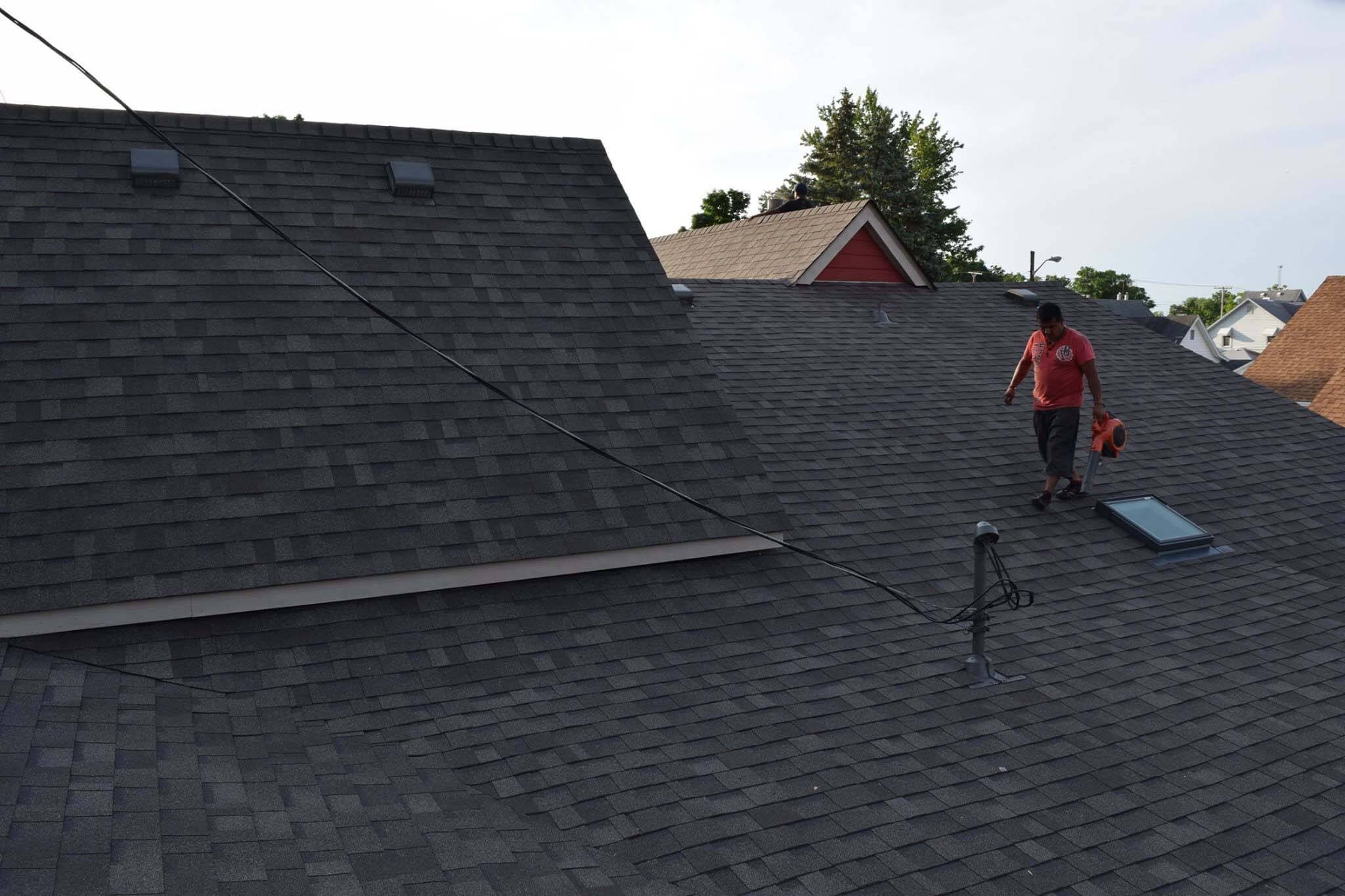
Planning a Resilient Exterior: A Homeowner’s Roadmap from Assessment to Handoff
Initially, assess the landscape of your home’s exterior by walking the property line, scanning roof planes, siding runs, and gutter paths. Look for water paths, shade patterns, and wind exposure to understand stress points. Document observations with photos and brief notes. This early diligence will inform priorities, reveal hidden risks, and set a baseline for conversations with any trade partners you engage.
Meanwhile, scope the work in logical segments so tasks don’t trip over each other. Roofing, Siding, and Gutter Replacement often interact, and staging them in the wrong order can create rework. Define what must happen first, what can overlap, and what depends on inspections. Clear sequencing reduces downtime, protects finished surfaces, and keeps labor and materials aligned with your objectives.
Beyond that, verify structural touchpoints before surface improvements. Roof decking, sheathing, and framing elements should be inspected where feasible. For siding, confirm substrate condition and flashing details. Gutters rely on sound fascia and secure anchoring. When these foundational parts are solid, the exterior envelope performs better, handles storms more reliably, and extends maintenance cycles.
In practice, align materials with climate realities and neighborhood requirements. Profiles, colors, and finishes should reflect both personal taste and local architectural cues. Validate compatibility among underlayments, fasteners, and trim systems to avoid galvanic issues or premature wear. Durable choices may cost more upfront but often deliver steadier performance and fewer disruptions over the long term.
Often, stage the site to protect landscaping, vehicles, and walkways. Clearly mark delivery zones and buffer delicate areas with mats or temporary fencing. Plan debris paths so removed shingles or siding don’t damage windows or plantings. Organized staging enhances safety, shortens cleanup, and preserves curb appeal during the work, helping neighbors and residents maintain normal routines.
However, budget contingencies deserve early attention. Reserve a reasonable allowance for hidden damage behind old cladding or under roofing. Track change drivers in real time, and document approvals to avoid surprise invoices. When you maintain a simple ledger of scope, materials, and adjustments, decision-making stays transparent, and the project remains financially predictable.
Then, sequence inspections at natural milestones to validate workmanship. Underlayment checks before shingle installation, wrap and flashing reviews before siding, and pitch verification prior to gutter hangs can prevent costly tear-outs. Invite questions, request photos of concealed layers, and keep inspection records. These habits strengthen accountability and build trust among homeowners, investors, and HOA stakeholders.
Finally, refine the maintenance plan to match the new assemblies. Schedule seasonal gutter cleaning, annual roof surface scans, and periodic siding washdowns with gentle methods. Small interventions—tightening fasteners, clearing downspouts, and re-caulking joints—extend service life. A concise log of maintenance actions will support warranty needs and help future owners understand the home’s care history.
Afterward, document the handoff thoroughly. Collect product data sheets, color codes, and warranty registrations in one accessible folder. Include before-and-after images and a diagram of roof planes, siding elevations, and gutter runs. This package empowers property managers and HOA committees to validate work quality, streamline future bids, and respond quickly if weather events test the exterior envelope.
Lastly, validate vendor fit through references that mirror your property type, whether single-family, multi-unit, or mixed-use. Ask how they manage timelines, noise, and site cleanliness, and how they support long-lasting relationships with multiple Investors, HOA's and management companies. When service ethos and craftsmanship align with your expectations, the exterior system you build today becomes a durable asset for years ahead.